Company Overview
About ByHeart
ByHeart, Inc. is a venture-capital-funded infant formula startup founded in 2016 by siblings Mia Funt and Ron Belldegrun. Headquartered in New York City, the company raised approximately $395 million across six funding rounds before its entire product line was recalled in November 2025 due to Clostridium botulinum contamination.
The First Outbreak of Its Kind
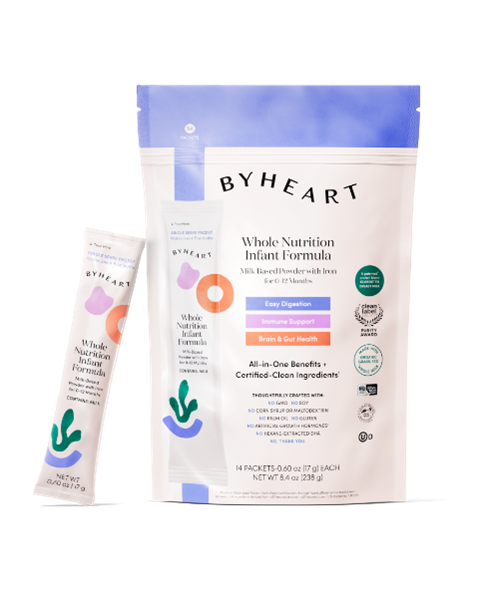
In November 2025, ByHeart became the center of the first-ever outbreak of infant botulism linked to powdered infant formula. The CDC and FDA identified 51 infants across 19 states who were hospitalized with suspected or confirmed infant botulism after consuming ByHeart Whole Nutrition Infant Formula. All 51 required treatment with BabyBIG antitoxin. No deaths were reported.
Whole genome sequencing traced the contamination to organic whole milk powder used as an ingredient, supplied by Organic West Milk Inc. and processed at a Dairy Farmers of America plant in Fallon, Nevada. FDA testing confirmed Clostridium botulinum Type A in multiple finished product samples and in the raw ingredient.
A Pattern of Food Safety Failures
The 2025 botulism outbreak was not ByHeart’s first contamination incident. In December 2022, the company recalled five batches of formula after a sample tested positive for Cronobacter sakazakii. ByHeart’s internal investigation incorrectly attributed the positive result to “a laboratory error,” a conclusion the FDA later cited as inadequate.
In August 2023, the FDA issued a warning letter for ByHeart’s Reading, Pennsylvania manufacturing facility documenting severe violations: over 2,700 dead insects in a food production area, mold growth inside a tank designated for clean water storage, recurring roof leaks, temperature control failures during microbiological kill steps, and inadequate sanitation procedures. The facility ceased production in September 2023.
Failed Recall Response
The FDA found recalled ByHeart formula still on store shelves at more than 175 retail locations across 36 states, in some cases more than three weeks after the recall was issued. On December 12, 2025, the FDA sent warning letters to Target, Walmart, Kroger, and Albertsons for failing to remove recalled products. Target had even offered a $2.00 promotional discount on recalled formula during the recall period.
Your Legal Options
If your infant consumed ByHeart formula and was diagnosed with or showed symptoms of infant botulism, your family may be entitled to significant compensation for medical expenses, hospitalization costs, pain and suffering, and other damages. Infant botulism treatment requires specialized intensive care, and hospitalization typically lasts weeks.
Health Risks
Infant botulism caused by contaminated ByHeart formula poses serious health risks to infants:
How Infant Botulism Works
Clostridium botulinum spores ingested by infants colonize the immature gut and produce botulinum toxin, the most potent biological toxin known. Unlike adult food-borne botulism (caused by pre-formed toxin in food), infants are uniquely vulnerable because their developing digestive systems cannot prevent spore colonization.
Symptoms and Progression
Symptoms can take up to 30 days to appear after ingesting contaminated formula. The first sign is often constipation, followed by poor feeding, a weak cry, loss of head control, difficulty swallowing, decreased facial expression, and progressive descending muscle weakness. In severe cases, botulism can cause respiratory failure requiring mechanical ventilation.
Treatment
All 51 infants in this outbreak were treated with BabyBIG (Botulism Immune Globulin Intravenous), a specialized antitoxin that stops toxemia progression. This medication is only available through the California CDPH Infant Botulism Treatment and Prevention Program (510-231-7600). Hospitalization typically lasts 2-6 weeks, and some infants require intensive care with mechanical ventilation.
Long-Term Outlook
With timely treatment, most infants with botulism recover fully. However, the recovery process is prolonged, and families face weeks of hospitalization, significant medical bills, emotional distress, and disruption to their daily lives.